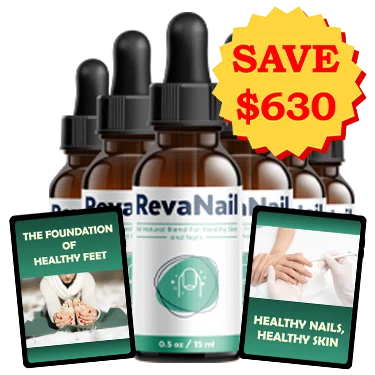
RevaNail contains nine ingredients in a topical liquid made for direct nail and cuticle application. The label order matters because it gives shoppers a reliable way to distinguish this formula from unrelated pages that describe capsules, oral vitamins, or a different product. Undecylenic Acid USP is disclosed at 5%.
The complete formula combines a spreading emollient, a labeled active acid, conditioning plant oils, essential oils, aloe vera leaf extract, and vitamin E oil. The descriptions below follow the label exactly and explain each ingredient's practical role without turning a component into a guarantee about the finished product.
How the Formula Is Structured
The first ingredients shape how the liquid spreads and functions on the nail surface. Isopropyl Palmitate creates slip, while Undecylenic Acid USP supplies the clearly stated 5% active component. The middle oils support conditioning and the sensory character of the application.
Aloe vera leaf extract and vitamin E oil support softness, while lemongrass and lavender oils add aromatic plant components.
Isopropyl Palmitate. Isopropyl Palmitate sits first on the label and helps establish the liquid's smooth, spreadable texture. It is an emollient ester commonly used to reduce drag in topical personal-care products. Across a hard nail plate, that slip helps the brush lay down a thin and more uniform coat. Around the cuticle, it supports conditioning and distribution rather than acting as a promised solution by itself.
Undecylenic Acid USP (5%). Undecylenic Acid USP is the second ingredient and the label states its concentration at 5%. Its inclusion gives RevaNail a defined active-acid component for the external nail-surface routine. The “USP” designation identifies the named ingredient standard, while the percentage tells buyers how much is declared in the formula. Its presence should be discussed through careful topical use, not claims that every nail concern will be cured.
Almond Oil (Prunus amygdalus dulcis). Almond oil contributes emollience to the nail-and-cuticle blend. It can soften the feel of dry surrounding skin and help the formula glide along narrow edges beside the nail. That conditioning role is useful when frequent washing, footwear, or dry weather leaves cuticles looking rough. Because the source is almond, users with nut-related allergies should seek appropriate advice before applying the product.
Flaxseed Oil (Linum usitatissimum). Flaxseed oil adds another plant-based conditioning component after almond oil. In a topical formula, its oil profile supports softness and helps reduce the visibly dry, tight look around a nail. It also contributes to the blend's ability to coat a dense surface without behaving like a watery rinse. RevaNail uses flaxseed oil as part of the complete formula, not as evidence of an internal nutrition effect.
Tea Tree Essential Oil (Melaleuca alternifolia). Tea tree essential oil is a recognizable botanical used in many cleansing and grooming products. Here it contributes to the formula's topical, aromatic surface-care character alongside the emollient oils. The finished blend places it on the nail rather than asking users to apply concentrated tea tree oil alone. Essential oils can irritate sensitive skin, so redness, burning, or discomfort is a reason to stop.
Aloe Vera Leaf Extract (Aloe barbadensis). Aloe vera leaf extract supports the cuticle-conditioning side of RevaNail. It is widely included in topical care products designed to make dry or stressed-looking skin feel more comfortable. In this bottle, aloe complements the oils without changing the need for clean, intact application areas. It should not be used to justify applying the formula to an open wound or delaying attention for inflamed skin.
DL-Alpha Tocopherol Acetate Oil (Vitamin E). DL-Alpha Tocopherol Acetate Oil is the specific vitamin E form named on the label. It is oil soluble and contributes to a softer, more conditioned feel around the nail edge. The ingredient also helps complete the emollient profile created by Isopropyl Palmitate, almond oil, and flaxseed oil. Because RevaNail is external use only, this vitamin E should not be described as a dietary dose.
Lemongrass Oil (Cymbopogon citratus). Lemongrass oil appears eighth and brings a fresh, aromatic botanical note to the formula. Within a grooming routine, it supports the product's clean-feeling sensory profile and complements tea tree essential oil. It is delivered as one ingredient in the finished liquid, not as concentrated oil for unrestricted skin use. Keep the formula away from eyes and stop application if the area becomes irritated.
Lavender Oil (Lavandula angustifolia). Lavender oil is the ninth and final label ingredient. Its familiar aroma can make four daily applications feel more like a regular personal-care ritual. It also pairs naturally with the conditioning oils and aloe used around the cuticle area. Lavender is still an essential oil, so a pleasant scent does not remove the need to monitor skin comfort and follow external-use warnings.
Why Exact Order Matters
Ingredient order gives buyers a simple fidelity test. A RevaNail page should not replace this blend with biotin, zinc, selenium, turmeric, garlic, olive leaf, vitamins taken by mouth, or other oral-supplement components. Those substitutions change the product story and can mislead people about how the liquid is used.
Exact naming also matters. “Vitamin E” is helpful shorthand, but the label specifies DL-Alpha Tocopherol Acetate Oil. “Aloe” is not the full entry; the label names Aloe Vera Leaf Extract and gives Aloe barbadensis. Keeping those names intact preserves the information a shopper needs for allergy or sensitivity questions.
Ingredient Roles Working Together
RevaNail's formula can be viewed in layers. Isopropyl Palmitate supports spread, Undecylenic Acid USP provides the stated active-acid portion, and almond and flaxseed oils support conditioning. Tea tree, lemongrass, and lavender oils provide botanical character, while aloe and vitamin E round out cuticle-focused care.
That arrangement supports a liquid that can be brushed across the nail and worked around its edges. It does not demonstrate that the finished product is clinically proven, FDA approved, or guaranteed to create a particular appearance. Formula transparency helps set expectations, but directions and individual tolerance remain equally important.
Sensitivity and External-Use Checks
Read all nine ingredients before the first application. Almond oil is relevant to allergy screening, and the three essential oils may matter for reactive skin. When personal allergy history is uncertain, a qualified healthcare professional can offer guidance based on the actual label rather than a general claim that plant ingredients are automatically gentle.
RevaNail must not be swallowed or placed in the eyes. Use it only on the external nail-and-cuticle area as directed, and stop if irritation develops. Pain, swelling, drainage, spreading redness, injury, or a rapidly changing nail calls for professional assessment, regardless of how familiar an ingredient sounds.
Formula Summary
The RevaNail ingredients page should leave one clear picture: this is a nine-part topical formula, not an ingestible blend. The label starts with Isopropyl Palmitate, states Undecylenic Acid USP at 5%, and then lists seven conditioning and botanical components in a fixed sequence.
That precision is useful for comparing listings, discussing allergies, and understanding why the formula spreads and feels oil rich. The next decision is practical: whether the ingredient profile and four-times-daily external routine suit the user's skin, schedule, and nail-care goals.